



Home / Truck Beds / Truck Flatbeds
TRUCK FLATBEDS
Truck Flatbeds & Flatbed Truck Beds for Pickups in Traverse City, MI
Your pickup should work the way you do. If the factory pickup box is limiting what you can haul, tow, load, or store, a truck flatbed may be the upgrade that turns your pickup into a more capable work truck. At Michigan Trailers in Traverse City, we help truck owners compare flatbed truck beds for towing, farm use, jobsite work, equipment hauling, property maintenance, and everyday Northern Michigan utility.
Michigan Trailers offers truck beds for pickup owners who want to replace a factory pickup box with a stronger, more useful flatbed setup. Whether you are looking for a steel Sure-Trac truck bed, a lightweight aluminum Aluma flatbed, a gooseneck-ready work bed, or a simple open deck for hauling gear, our team can help you compare options based on your truck, towing needs, storage needs, and budget.

ON THIS PAGE
- Find the right bed
- What is a truck flatbed
- Who uses flatbeds
- Common trucks
- Steel & aluminum available
- Steel vs. aluminum
- Sure-Trac steel beds
- Aluma aluminum beds
- Skirted vs. non-skirted
- Built for towing
- Fitment by brand
- Installation & upfit
- Flatbed vs. pickup bed
- Pros & cons
- Add-ons & accessories
- Is it worth it?
- FAQ
SECTION 01
Find the Right Flatbed Truck Bed for Your Pickup
A truck flatbed is a replacement bed or body that mounts to a pickup or work truck after the factory pickup box is removed. It is different from a complete flatbed truck, and it is different from a flatbed trailer.
For many Michigan truck owners, a flatbed is about making a pickup more useful. A standard pickup box works well for daily driving and enclosed cargo, but it can become limiting when you need side-loading access, more tie-down flexibility, gooseneck towing access, tool storage, or a deck that is easier to use with pallets, tanks, lumber, fencing materials, feed, hay, equipment, or oversized cargo.
SECTION 02
What Is a Truck Flatbed?
A truck flatbed is a replacement bed installed on a pickup or work truck. Instead of the factory pickup box with enclosed sidewalls and wheel wells, a flatbed gives you a broader open deck with stake pockets, rub rails, tie-down points, lighting, and often gooseneck or receiver hitch options.
The biggest advantage is usable space. A flat deck can make it easier to load from the sides, carry wide materials, strap down irregular cargo, or access a gooseneck trailer connection. Depending on the model, a flatbed may also include a headache rack, integrated lighting, toolboxes, skirted storage, rub rails, stake pockets, and trailer wiring provisions.
SECTION 03
Who Uses Pickup Truck Flatbeds?
Pickup flatbeds are popular with people who use their truck for work, towing, property, or land. That includes farmers, contractors, fence crews, landscapers, equipment operators, hotshot and towing users, municipal crews, horse and livestock owners, and heavy-duty pickup owners who need better gooseneck access.
In Northern Michigan, truck flatbeds can make sense for a wide range of users: construction crews hauling materials, property owners managing acreage, farms moving feed or fencing supplies, snow and service crews carrying tools, and trailer owners who need a cleaner towing setup. The right bed depends on how your truck is used most often.
SECTION 04
Common Trucks That Get Flatbeds
Truck flatbeds are most often installed on heavy-duty pickups and work trucks, including Ford Super Duty, Ram HD, Chevy Silverado HD, and GMC Sierra HD models. Common searches include Ford F-250 flatbed, Ford F-350 flatbed, Ram 2500 flatbed, Ram 3500 flatbed, Chevy Silverado 2500HD flatbed, Chevy Silverado 3500HD flatbed, GMC Sierra 2500HD flatbed, and GMC Sierra 3500HD flatbed.
Fitment is not one-size-fits-all. Single rear wheel and dually trucks may need different widths. Pickup frames and cab-and-chassis frames can differ. Wheelbase, bed length, cab configuration, fuel fill location, DEF access, tail light wiring, camera systems, and hitch placement all need to be reviewed before ordering a truck bed.

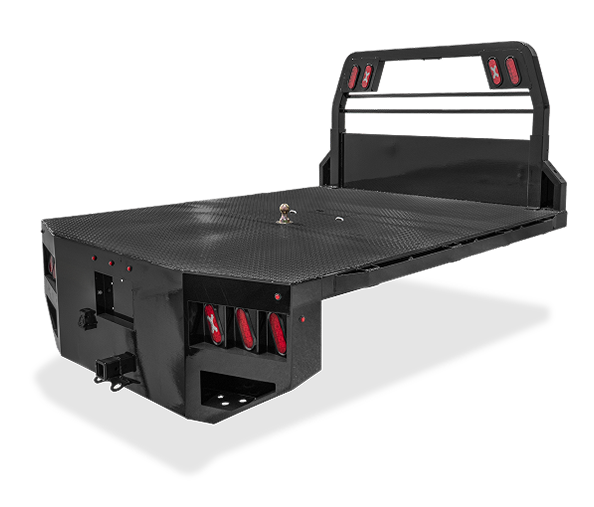
Sure-Trac Steel

Aluma Aluminum
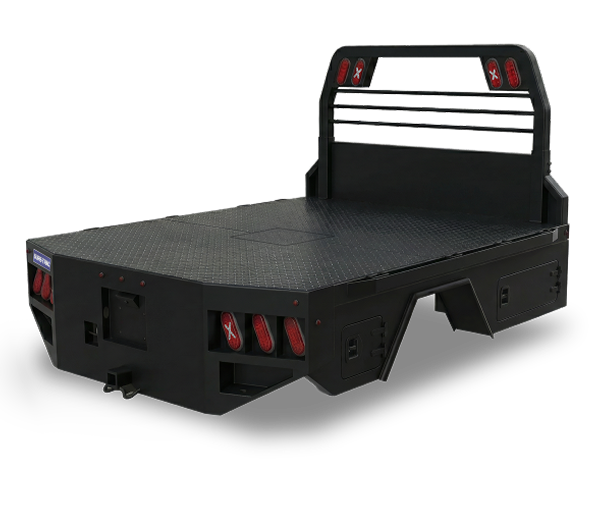
Sure-Trac Skirted
SECTION 05
Steel and Aluminum Truck Flatbeds Available at Michigan Trailers
Michigan Trailers carries both steel and aluminum truck bed options, giving buyers a practical way to compare durability, weight, corrosion resistance, maintenance, and price. For many customers, the first big decision is not just “which flatbed fits my truck?” It is “should I choose a steel truck bed or an aluminum truck bed?”
Sure-Trac steel truck beds are a strong fit for buyers who want a rugged work-focused flatbed with heavy-duty towing, tie-down, lighting, and storage options. Aluma aluminum truck beds are a strong fit for buyers who want a lighter-weight, corrosion-resistant flatbed with clean appearance and lower-maintenance aluminum construction.
Sure-Trac Steel Truck Beds
Sure-Trac truck beds are built for truck owners who want a tough steel flatbed for work, towing, and daily utility. They are a good match for farmers, contractors, towing users, fleet buyers, and pickup owners who want a rugged replacement bed with serious work-truck features.
Depending on the model, Sure-Trac truck beds may include gooseneck hitch options, receiver hitch capability, stake pockets, rub rails, chain spools, LED lighting, headache racks, skirted storage, and toolboxes. Sure-Trac also offers recessed and turnover gooseneck configurations, giving buyers options based on how they tow and how much deck flexibility they want.
Aluma Aluminum Truck Beds
Aluma truck beds are designed around lightweight aluminum construction. For Michigan buyers, aluminum can be especially appealing because it resists rust better than steel and can be easier to maintain in areas where snow, slush, road salt, mud, and moisture are part of regular truck use.
Aluma truck beds are a good fit for buyers who want a clean, corrosion-resistant flatbed for hauling, property work, lighter commercial use, towing support, and general pickup utility. They can be especially attractive for buyers who care about weight savings, appearance, and long-term finish maintenance.
Why Michigan Buyers Compare Steel and Aluminum
Steel and aluminum both make sense, but they solve slightly different problems. Steel is often chosen for rugged work use, jobsite abuse, heavy hauling environments, and value-focused durability. Aluminum is often chosen for corrosion resistance, lighter weight, clean appearance, and lower maintenance.
In Traverse City and across Northern Michigan, road salt and moisture are real ownership considerations. A steel truck bed can still be a great choice, but finish care matters. An aluminum truck bed can reduce rust concerns, but buyers should still consider load needs, towing setup, model availability, and how the truck will be used.

Sure-Trac Steel

Aluma Aluminum
SECTION 06
Steel vs. Aluminum Truck Flatbeds: Which Should You Choose?
Choosing between steel and aluminum is one of the most important decisions when shopping for a flatbed truck bed. The best choice depends on your work, your truck, your towing setup, and how much you care about weight, corrosion resistance, maintenance, and long-term appearance.
A simple way to think about it: choose steel when rugged work-truck strength and value are the top priorities. Choose aluminum when lower weight, corrosion resistance, and easier finish maintenance are more important.
Choose a Steel Truck Bed If You Want Rugged Work Capability
A steel truck bed is a strong choice for hard daily work. If your truck sees farm use, construction work, heavy tools, equipment hauling, rough jobsites, or frequent towing, steel may be the right fit. Steel beds are also familiar to many work-truck owners because they feel substantial, durable, and repairable.
Sure-Trac steel truck beds are especially relevant for buyers who want a gooseneck-ready or receiver-hitch-ready flatbed with practical work features. If you want a bed that feels built for towing, hauling, tools, chains, binders, and jobsite use, start by comparing Sure-Trac options.
Choose an Aluminum Truck Bed If You Want Corrosion Resistance and Weight Savings
An aluminum truck bed is a strong choice if you want a lighter, cleaner, lower-maintenance flatbed. Aluminum is naturally corrosion-resistant, which can be a major advantage in Michigan winters where road salt, snow, and slush can be hard on steel surfaces.
Aluma truck beds are a good fit for buyers who want a flatbed that looks sharp, resists rust, and adds utility without unnecessary weight. For property owners, lighter-duty commercial users, towing customers, and pickup owners who want a long-lasting aluminum deck, Aluma is worth comparing.
Quick Comparison: Steel vs. Aluminum
Steel truck flatbeds may be better for:
- Heavy work use
- Farm and construction abuse
- Rugged jobsite conditions
- Buyers who prioritize strength and value
- Towing-focused work trucks
- Sure-Trac steel truck bed shoppers
Aluminum truck flatbeds may be better for:
- Corrosion resistance
- Lower maintenance
- Weight-conscious builds
- Cleaner appearance
- Northern Michigan road salt conditions
- Aluma aluminum truck bed shoppers
SECTION 07
Sure-Trac Truck Beds at Michigan Trailers
Sure-Trac truck beds are built for pickup owners who need a work-ready steel flatbed with towing, lighting, tie-down, and storage features. These beds are especially relevant for heavy-duty pickup owners who tow gooseneck trailers, equipment trailers, dump trailers, livestock trailers, and bumper-pull trailers.
Michigan Trailers can help you compare Sure-Trac options based on whether you want a recessed gooseneck setup, a B&W Turnoverball-style setup, skirted toolbox storage, or a simpler open flatbed layout. Availability can change, so check current inventory or contact the team with your truck details.
Sure-Trac Flatbed Recessed
The Sure-Trac Flatbed Recessed model is a strong option for buyers who want a straightforward work flatbed with an integrated recessed gooseneck setup. It is a practical fit for farm trucks, ranch trucks, contractor trucks, and towing users who want a durable steel deck with open access.
This style is useful when you want a clean flatbed platform but still need serious gooseneck towing capability. It gives you the work surface of a flatbed while keeping the gooseneck connection built into the bed design.
Sure-Trac Skirted Recessed
The Sure-Trac Skirted Recessed model adds integrated skirted storage to the recessed gooseneck flatbed design. That makes it a good option for buyers who carry chains, binders, straps, tools, gloves, PPE, farm supplies, or jobsite gear and want lockable storage built into the bed.
A skirted truck bed is especially useful for contractors, service crews, farm users, and fleet trucks. Instead of throwing gear loose on the deck or inside the cab, you can keep frequently used equipment organized and easier to access.
Sure-Trac Flatbed Turnover
The Sure-Trac Flatbed Turnover model is designed for buyers who want gooseneck functionality with more deck flexibility. Turnover-style systems are useful when you want the ability to stow the ball and keep the deck more open when you are not towing.
This setup can make sense for buyers who regularly switch between flat hauling and gooseneck towing. It may also be relevant for fifth-wheel-style setups when compatible components are used, but fitment, clearance, truck ratings, and hitch requirements must always be verified before towing.
Sure-Trac Skirted Turnover
The Sure-Trac Skirted Turnover model combines turnover gooseneck functionality with built-in skirted storage. It is a strong choice for towing-heavy users who also need secure tool storage.
If your truck pulls trailers during the week and carries tools or equipment every day, this style can give you the best of both worlds: towing flexibility and built-in organization.
Flatbed Recessed
Skirted Recessed
Flatbed Turnover
Skirted Turnover
SECTION 08
Aluma Aluminum Truck Beds at Michigan Trailers
Aluma aluminum truck beds are a smart option for buyers who want a lightweight, corrosion-resistant flatbed for pickup utility. They are well suited for customers who want a flatbed that looks clean, resists rust, and provides practical work features without the weight of a heavier steel build.
For Michigan truck owners, aluminum is often worth considering because of winter road conditions. Snow, salt, moisture, and mud can all accelerate wear on painted steel surfaces if they are not maintained. Aluminum does not eliminate all maintenance, but it can reduce rust concerns and help preserve a cleaner appearance over time.
Why Choose an Aluma Truck Bed?
Choose an Aluma truck bed if you want a practical aluminum flatbed that adds utility while keeping weight lower. Aluma truck beds can work well for property owners, light commercial users, towing customers, and pickup owners who want a rust-resistant bed for hauling tools, materials, equipment, or outdoor gear.
Aluma’s truck bed lines include aluminum construction, lighting packages, headache racks, rub rails, stake pockets, and available options depending on the model. That makes them useful for buyers who want a functional flatbed without moving into a heavier steel work body.
Aluminum Flatbeds for Northern Michigan Conditions
Traverse City and Northern Michigan truck owners deal with a mix of winter roads, seasonal hauling, lake-effect weather, dirt roads, jobsites, and outdoor storage. An aluminum flatbed can be appealing if your truck is exposed to road salt, snow, and moisture.
If you plan to keep your truck for years, the material choice matters. Steel can be extremely tough, but coating care is important. Aluminum can be a better fit when long-term corrosion resistance and lower maintenance are major priorities.
Aluma 8110

Aluma 9000

Aluma 6808
SECTION 09
Skirted vs. Non-Skirted Truck Flatbeds
Skirted and non-skirted flatbeds both have a place. The right choice depends on whether you want built-in storage or a simpler open deck. Buyers who use their truck for tools, chains, binders, straps, and work gear often like skirted beds. Buyers who want easy side access, simple hauling, or custom accessory flexibility may prefer non-skirted flatbeds.
Before choosing, think through how you use your truck every week. Do you need lockable boxes? Do you haul pallets, lumber, tanks, hay, pipe, or equipment? Do you need underbody clearance? Do you want the clean look of a finished skirted bed, or do you want the lighter simplicity of an open flatbed?
Skirted Flatbeds
A skirted flatbed includes integrated lower storage along the sides of the bed. These beds often have a more finished appearance and provide lockable compartments for tools, chains, binders, straps, gloves, safety gear, and small equipment.
Skirted truck beds are a strong choice for contractors, service trucks, fleet users, farmers, and towing customers who need storage every day. If your current pickup bed is full of loose tools or trailer gear, a skirted flatbed may solve that problem.
Non-Skirted Flatbeds
A non-skirted flatbed keeps the design simpler and more open. These beds are often preferred by buyers who want easy side access, a straightforward work deck, and the ability to add custom boxes or accessories later.
Non-skirted beds can be a good fit for farm, ranch, property, and general hauling use. They may also make sense for buyers who do not need permanent lockable storage and want to keep the truck setup simple.
Storage Questions to Ask Before You Buy
Before choosing a truck flatbed, ask yourself where your gear will go. Where will you keep chains and binders? Do you need lockable storage for tools? Will you carry straps, gloves, safety gear, or hitch components? Do you plan to add an auxiliary fuel tank, compressor, welder, or custom toolbox?
The more gear you carry, the more a skirted bed may make sense. The more you value open access and simple hauling, the more a non-skirted flatbed may fit your use.
Skirted Flatbed

Non-Skirted Flatbed
SECTION 10
Built for Towing: Gooseneck, Fifth Wheel, and Receiver Hitch Options
Many truck owners choose a flatbed because they tow. A flatbed can improve access to a gooseneck ball, make trailer hookup easier, and create a more useful truck setup for farm, construction, equipment, and livestock hauling.
That said, hitch ratings and truck ratings are not the same thing. A bed or hitch component may have a listed rating, but your real towing limit depends on the truck’s GVWR, GCWR, axle ratings, tires, hitch components, trailer weight, load balance, installation, and legal requirements. Always confirm your complete setup before towing.
Gooseneck Towing
Gooseneck towing is one of the biggest reasons buyers consider a truck flatbed. A gooseneck-ready flatbed can be useful for horse trailers, livestock trailers, equipment trailers, flatbed gooseneck trailers, dump trailers, hay trailers, and farm trailers.
If gooseneck towing is one of your main reasons for upgrading, tell Michigan Trailers what trailer you pull, how often you tow, and what truck you drive. That makes it easier to compare steel and aluminum bed options, hitch openings, bed height, and clearance.
Fifth-Wheel Considerations
Fifth-wheel towing with a flatbed depends on the bed model, hitch setup, trailer design, pin box clearance, and truck configuration. Some turnover-style systems may support compatible fifth-wheel companion setups, but this should never be assumed.
Before buying a flatbed for fifth-wheel use, confirm the truck, bed, hitch, trailer, and clearance requirements. This is especially important if your truck has a dually setup, a cab-and-chassis frame, a lifted suspension, or a trailer with limited clearance.
Receiver Hitch Use
Flatbed truck beds may also support receiver hitch use for bumper-pull trailers, including utility trailers, equipment trailers, dump trailers, car haulers, and landscape trailers. Receiver hitch setup should be reviewed as part of the installation and fitment process.
If you regularly tow bumper-pull trailers, ask about receiver height, trailer plug location, safety chain access, lighting connections, and whether the bed setup works with your current trailer coupler heights.
SECTION 11
Flatbed Fitment for Ford, Ram, Chevy, and GMC Pickups
Truck flatbed fitment depends on more than brand. Your truck’s year, make, model, wheelbase, cab configuration, frame type, current bed length, single rear wheel or dual rear wheel setup, and towing package all matter.
Before ordering a bed, it is best to contact Michigan Trailers with your truck details. Bring or provide the year, make, model, cab style, bed length, SRW or DRW configuration, current hitch setup, towing plans, camera system, and any storage or accessory needs.
Ford Truck Flatbeds
Ford Super Duty pickups are common candidates for flatbed truck beds. Buyers often search for Ford F-250 flatbeds, Ford F-350 flatbeds, Ford F-450 flatbeds, and Super Duty flatbed truck beds.
For newer Ford trucks, camera and sensor planning can be especially important. If your truck has a backup camera, 360-view camera system, parking sensors, or advanced lighting features, discuss those details before choosing a bed.
Ram Truck Flatbeds
Ram 2500, Ram 3500, and Ram 4500 trucks are also common flatbed candidates. Ram owners should pay close attention to single rear wheel vs dually setup, pickup vs cab-and-chassis frame, bed length, fuel fill access, DEF access, and trailer wiring.
If your Ram is used for farm, towing, hotshot, or contractor work, a steel Sure-Trac bed may be a strong fit. If corrosion resistance and lower weight are higher priorities, an Aluma aluminum bed may be worth comparing.
Chevy and GMC Truck Flatbeds
Chevy Silverado 2500HD, Chevy Silverado 3500HD, GMC Sierra 2500HD, and GMC Sierra 3500HD pickups are also common flatbed candidates. As with Ford and Ram trucks, fitment depends on the specific configuration.
Chevy and GMC owners should review bed length, frame type, hitch setup, wiring, camera relocation, and lighting before choosing a flatbed. If you tow a gooseneck or bumper-pull trailer, bring trailer details into the conversation as well.
Fitment Details That Matter
The most important fitment details include truck year, make, model, wheelbase, cab configuration, pickup frame vs cab-and-chassis frame, single rear wheel vs dual rear wheel, fuel fill location, DEF access, tail light wiring, backup camera location, trailer plug placement, hitch height, and bed width.
Flatbed fitment is not the place to guess. A short conversation before ordering can help prevent clearance issues, wiring problems, storage conflicts, and towing setup headaches.
SECTION 12
Truck Flatbed Installation and Upfit Planning
A flatbed truck bed is not just a product purchase. It is an upfit. That means the installation, wiring, lighting, hitch setup, camera planning, and final fitment review are all part of getting the truck ready to work.
Ask Michigan Trailers about current truck bed availability and installation options. If installation is available, the team can help you understand what information is needed before quoting or scheduling. If a specific installation service is not available for your exact truck or bed, they can help clarify next steps before you buy.
What Truck Flatbed Installation Should Cover
A proper flatbed installation may involve removing the factory pickup bed, mounting the new flatbed, setting up lighting, connecting wiring, confirming trailer plug location, reviewing fuel and DEF access, positioning the gooseneck or receiver hitch setup, relocating a backup camera where applicable, and checking clearance.
Modern trucks may require extra planning. Backup cameras, 360-view systems, parking sensors, reverse lights, strobes, trailer plugs, headache rack lights, and factory harnesses can all affect the upfit process.
What to Know Before Requesting a Quote
When contacting Michigan Trailers, have your truck information ready. Include your truck year, make, model, cab style, current bed length, single rear wheel or dually setup, pickup or cab-and-chassis frame, towing use, gooseneck or bumper-pull needs, toolbox needs, camera system, and any accessory plans.
The more detail you provide, the easier it is to match the right steel or aluminum flatbed to your truck.
Cameras, Sensors, Lights, and Wiring
One of the biggest concerns with modern truck flatbeds is what happens to the camera, sensors, lights, and wiring. Older trucks may be relatively simple. Newer trucks can be more complex, especially if they have backup cameras, 360-view systems, parking sensors, trailer assist features, bed cameras, or advanced lighting packages.
Do not assume every factory feature will transfer automatically. Ask about camera relocation, sensor compatibility, trailer plug placement, reverse lights, warning lights, and harness connections before ordering your bed.
Will I Lose My Backup Camera?
Not necessarily. In many cases, a backup camera can be relocated, but the exact answer depends on your truck, camera system, bed model, and installation approach. Some newer camera systems require more planning than older basic backup cameras.
If camera visibility matters to you, bring it up early. This is especially important for trucks used in tight driveways, job sites, trailer hookup, farm lanes, snow plowing, or fleet environments.
Lighting Features to Consider
Truck flatbeds may include or support LED tail lights, clearance lights, reverse lights, strobe lights, headache rack lights, license plate lights, and trailer wiring. Lighting is not just about appearance. It affects safety, legal road use, visibility, trailer connection, and daily usability.
If you work early mornings, late evenings, in snow, or around equipment, ask about work lights, strobes, reverse lights, and headache rack lighting options.
Wiring Questions Buyers Ask
Before buying, ask these questions: Will my trailer plug still work? Can my backup camera be retained? Will my 360-view system still function? Will lights trigger dash warnings? Can strobes or work lights be added? Where will the 7-way plug be mounted? Will the headache rack accept accessories?
These details can make the difference between a flatbed that looks good and a flatbed that works correctly every day.
SECTION 13
Flatbed vs. Regular Pickup Bed
A flatbed can make a pickup much more useful, but it is not the right choice for every driver. The best choice depends on what you haul, how often you tow, whether you need side-loading access, and how much you rely on enclosed cargo space.
A regular pickup bed is convenient for loose cargo, groceries, luggage, small tools, camping gear, and daily driving. A flatbed is better when you need work-truck utility, gooseneck access, tie-down flexibility, side loading, storage options, and space for oversized cargo.
Advantages of a Truck Flatbed
A truck flatbed gives you a more open and usable work surface. It can make loading easier from the sides and can be better for pallets, hay, lumber, pipe, tanks, equipment, toolboxes, fencing materials, and irregular cargo.
Flatbeds also offer stronger tie-down flexibility through stake pockets, rub rails, and chain points depending on the model. For towing users, easier gooseneck access can be one of the biggest benefits.
Trade-Offs to Consider
A flatbed also comes with trade-offs. Cargo must be tied down. Loose items are less contained. Weather exposure is greater unless you use boxes or covers. Bed height may change. Added weight may affect payload depending on the bed and truck. Rear visibility, camera position, lighting, and resale appeal may also change.
These trade-offs are not dealbreakers for work-truck users, but they are worth understanding before replacing the factory pickup box.
Who Should Keep a Regular Pickup Bed?
A regular pickup bed may be better if your truck is mostly a daily driver, if you carry loose personal items, if you rarely tow or haul oversized cargo, or if you prefer enclosed bed storage. It may also be better if you plan to resell the truck to a general retail buyer rather than another work-truck owner.
If your truck is mainly used for work, towing, land, equipment, agriculture, or commercial hauling, a flatbed may be the more useful setup.
SECTION 14
Truck Flatbed Pros and Cons
A pickup flatbed can be one of the most useful upgrades for a work truck, but it should be chosen carefully. Fitment, material, towing setup, storage, camera relocation, and installation quality all matter.
Before buying, compare how you use your truck now with how you want it to work after the upgrade. The right flatbed should make daily tasks easier, not create new problems.
Pros
- More usable work surface
- Better gooseneck access
- Easier side loading
- More tie-down flexibility
- Better for farm, ranch, construction, and property work
- Steel and aluminum options available
- Skirted options can add lockable storage
- Turnover options can add deck flexibility
- Can make an older work truck more useful
- Can improve towing and hauling convenience
Cons
- Requires careful fitment
- Requires quality installation
- May require camera and wiring relocation
- Cargo must be secured
- Open deck exposes cargo to weather
- Bed weight may affect payload
- Not ideal for every daily driver
- Resale appeal depends on the buyer
- Material choice affects maintenance and long-term appearance
SECTION 15
Common Add-Ons and Accessories for Pickup Flatbeds
A flatbed is often just the foundation of a better truck setup. Depending on how you work, you may also want storage boxes, lighting, towing accessories, mud flaps, headache rack accessories, camera brackets, trailer plugs, or fuel and DEF access planning.
The best time to think through accessories is before installation. Planning ahead can help you avoid conflicts between toolboxes, gooseneck access, fuel fill locations, trailer wiring, and future equipment.
Storage and Toolboxes
Storage options may include skirted toolboxes, underbody boxes, topside boxes, chain trays, binder storage, lockable compartments, and custom accessory boxes. If your truck carries tools every day, storage should be part of the first conversation, not an afterthought.
Skirted beds are especially useful when storage is a priority. Non-skirted beds may be better if you want open access or plan to add custom boxes later.
Towing and Trailer Connections
Towing-related options may include gooseneck ball access, B&W Turnoverball-style functionality, Gen-Y gooseneck setups, receiver hitches, 7-way plugs, safety chain locations, trailer brake wiring checks, and hitch height planning.
If you tow multiple trailer types, explain that upfront. A truck used for a gooseneck equipment trailer, bumper-pull dump trailer, and utility trailer may need a different setup than a truck that only hauls materials on the deck.
Work and Safety Accessories
Work and safety accessories may include work lights, strobes, headache rack accessories, mud flaps, backup alarms, camera brackets, auxiliary fuel tank planning, compressor placement, or welding gear layout.
For fleet, farm, and commercial users, these details can make the truck more productive and safer to use.
SECTION 16
Is a Flatbed Worth It on a Pickup?
A flatbed is worth it on a pickup if you regularly tow gooseneck trailers, haul oversized cargo, need side-loading access, want more tie-down flexibility, or need a more useful work-truck setup. A regular pickup bed is usually better for daily driving, loose cargo, enclosed personal storage, and light-duty convenience.
The right answer depends on your truck, payload needs, towing setup, storage needs, material preference, and whether the bed will be properly installed.
Worth it for:
- Farm work
- Construction
- Towing
- Fleet trucks
- Equipment hauling
- Property maintenance
- Horse and livestock owners
- Work trucks that need tool storage
Less ideal for:
- Casual daily driving
- Small unsecured cargo
- Drivers who want enclosed bed storage
- Owners who rarely tow or haul oversized materials
Key decision points:
- Steel vs aluminum
- Skirted vs non-skirted
- Gooseneck vs receiver hitch use
- Truck fitment
- Camera and wiring needs
- Payload and towing requirements
- Installation quality
GET STARTED
Ready to Choose Your Truck Bed?
Find Your Configuration
Not sure which flatbed setup fits — recessed or turnover, skirted or open? We can help you compare based on your truck, towing, storage, and workload.
Bring Us Your Details
Get a better recommendation in less time. Send us your truck year, make, model, bed length, and how you plan to use it — we'll narrow down compatible options.
Visit Michigan Trailers
Shop truck flatbeds in Traverse City, MI. Visit us to review steel and aluminum options, ask fitment questions, and compare configurations before you buy.
FAQ
FAQ: Truck Flatbeds and Flatbed Truck Beds
What is the difference between a truck flatbed and a flatbed truck?
A truck flatbed is the bed or body installed on a pickup or work truck. A flatbed truck usually refers to a complete commercial truck. This page is about flatbed truck beds for pickups, not complete flatbed trucks.
Can I put a flatbed on my pickup truck?
In many cases, yes. Fitment depends on your truck’s year, make, model, frame, wheelbase, single rear wheel or dually setup, current bed length, and whether it is a pickup or cab-and-chassis truck.
Does Michigan Trailers sell steel and aluminum truck beds?
Yes, Michigan Trailers offers truck bed options including Sure-Trac steel truck beds and Aluma aluminum truck beds. Current inventory changes, so check availability before planning your upfit.
Should I choose a steel or aluminum truck flatbed?
Choose steel if you want rugged work-truck durability, strong value, and a bed built for tough jobsites, towing, farm work, and heavy use. Choose aluminum if you want lower weight, corrosion resistance, cleaner appearance, and lower-maintenance ownership in Michigan road conditions.
Are aluminum truck beds good for Michigan winters?
Aluminum truck beds can be a good option for Michigan because aluminum resists rust better than steel. That can be helpful in areas with road salt, snow, slush, and moisture. You should still maintain the bed, check hardware, and keep the truck clean.
Are steel truck beds stronger than aluminum truck beds?
Steel is often chosen for heavy work use, rugged durability, and jobsite abuse. Aluminum is often chosen for lower weight and corrosion resistance. The right choice depends on your truck, load needs, towing setup, and how the bed will be used.
Do truck flatbeds work with gooseneck trailers?
Many truck flatbeds are designed for gooseneck towing, but the exact setup depends on the bed model, hitch system, truck ratings, installation, and trailer clearance. Always verify your complete towing setup before buying.
Can I tow a fifth-wheel trailer with a flatbed?
It depends on the flatbed, hitch system, fifth-wheel companion setup, trailer design, and truck configuration. Do not assume compatibility. Confirm the truck, bed, hitch, trailer, and clearance requirements before towing.
Will I lose my backup camera when installing a flatbed?
Not necessarily. Backup camera retention depends on your truck, camera system, bed model, and installation method. Newer trucks with 360-view systems or parking sensors may require extra planning.
Should I choose a skirted or non-skirted flatbed?
Choose a skirted flatbed if you want built-in lockable storage for tools, chains, binders, straps, and jobsite gear. Choose a non-skirted flatbed if you prefer a simpler open deck, easier side access, or plan to add custom boxes later.
What information should I provide when requesting a truck bed quote?
Provide your truck year, make, model, cab style, current bed length, single rear wheel or dually setup, pickup or cab-and-chassis frame, towing needs, storage needs, camera system, and whether you want steel or aluminum.